
Interview with Christophe Grelier – FLIP Project Manager
FLIP, a one-of-a-kind floating instrument platform, arrived at MB92 in September 2024 for a long-term refit and modernisation project. Rescued from the scrapyard by DEEP, the vessel is being transformed into a modern research platform as part of an ambitious vision for the future of ocean exploration.
Since the last update in April 2025, what major progress has been made on FLIP? What key milestones have been achieved?
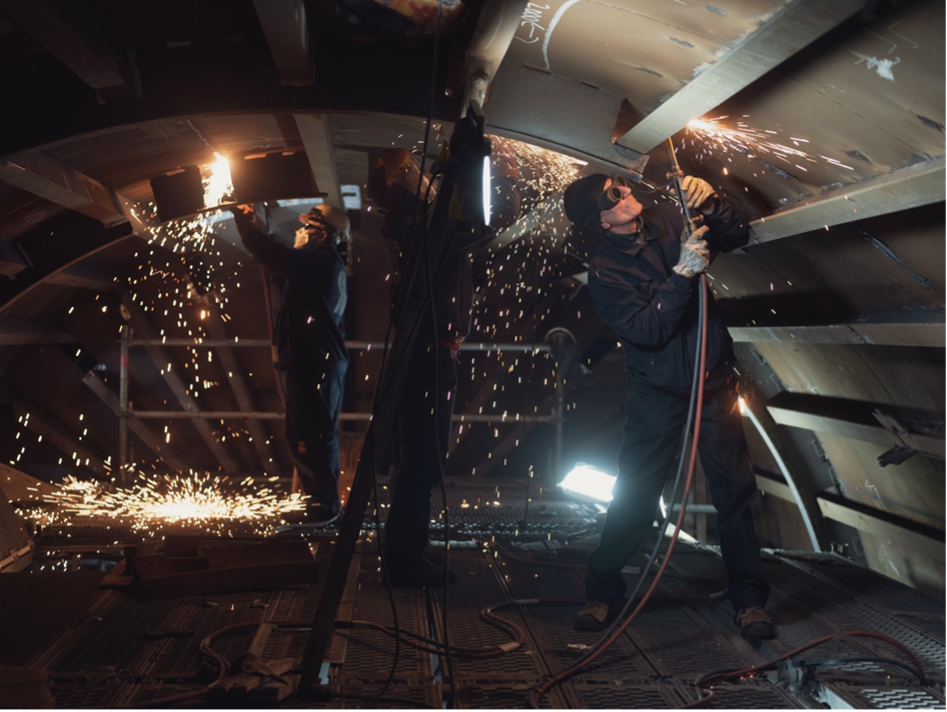
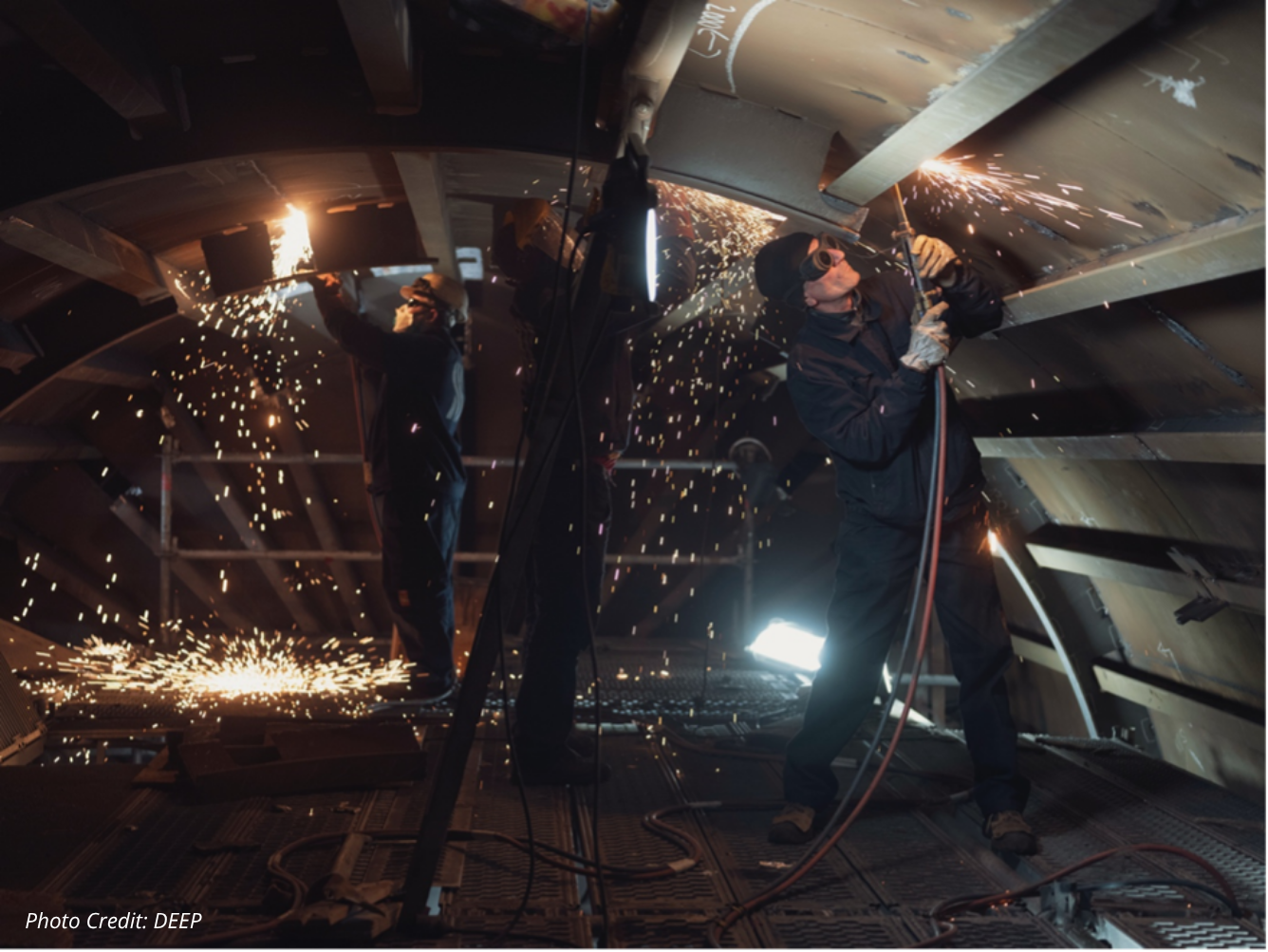
Since April 2025, the FLIP project has reached several key milestones, particularly across structural, technical, and engineering workstreams. One of the main areas of focus has been steelwork, with extensive repairs undertaken to address metal fatigue and significant corrosion identified across multiple areas of the vessel.
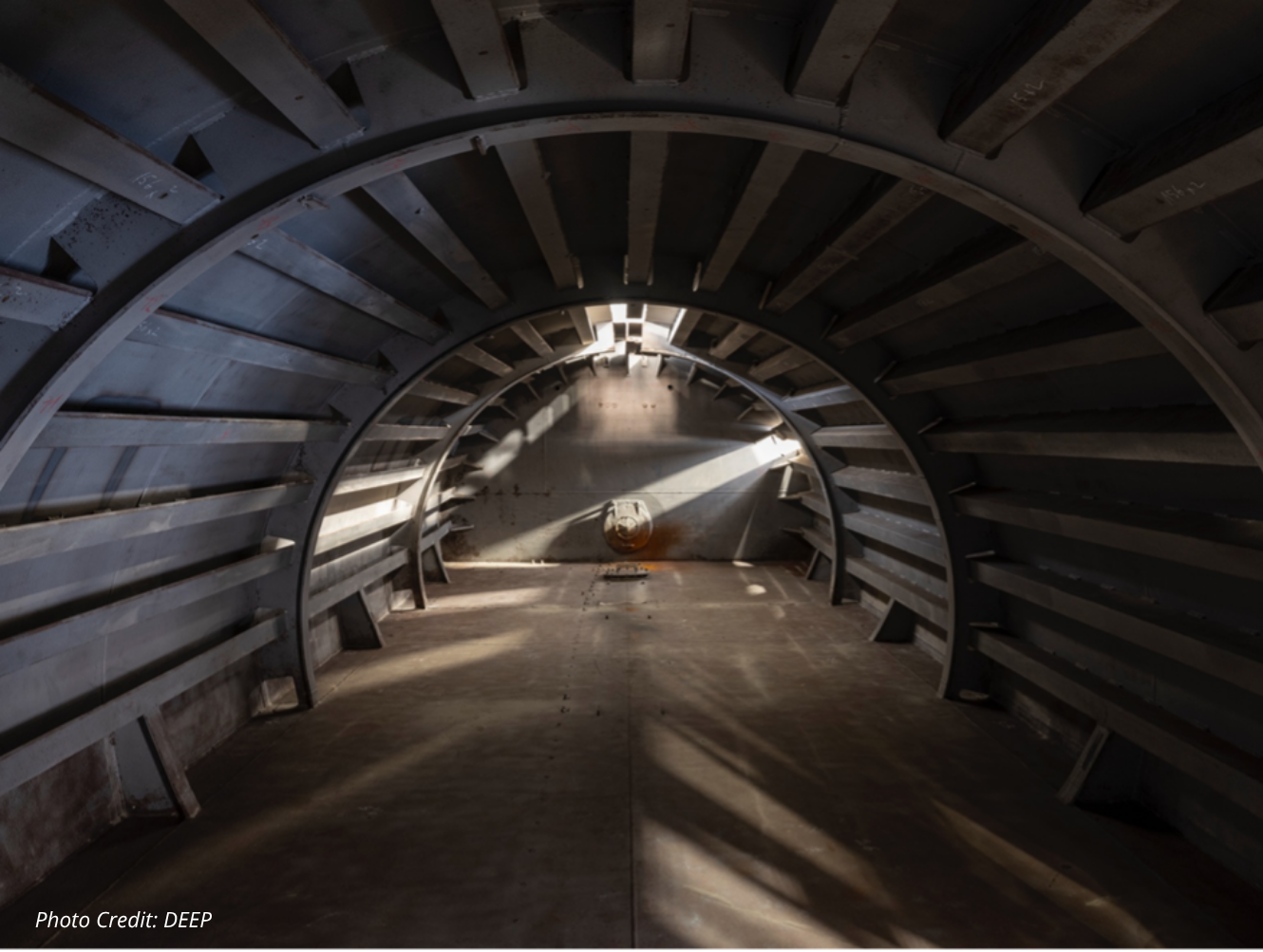
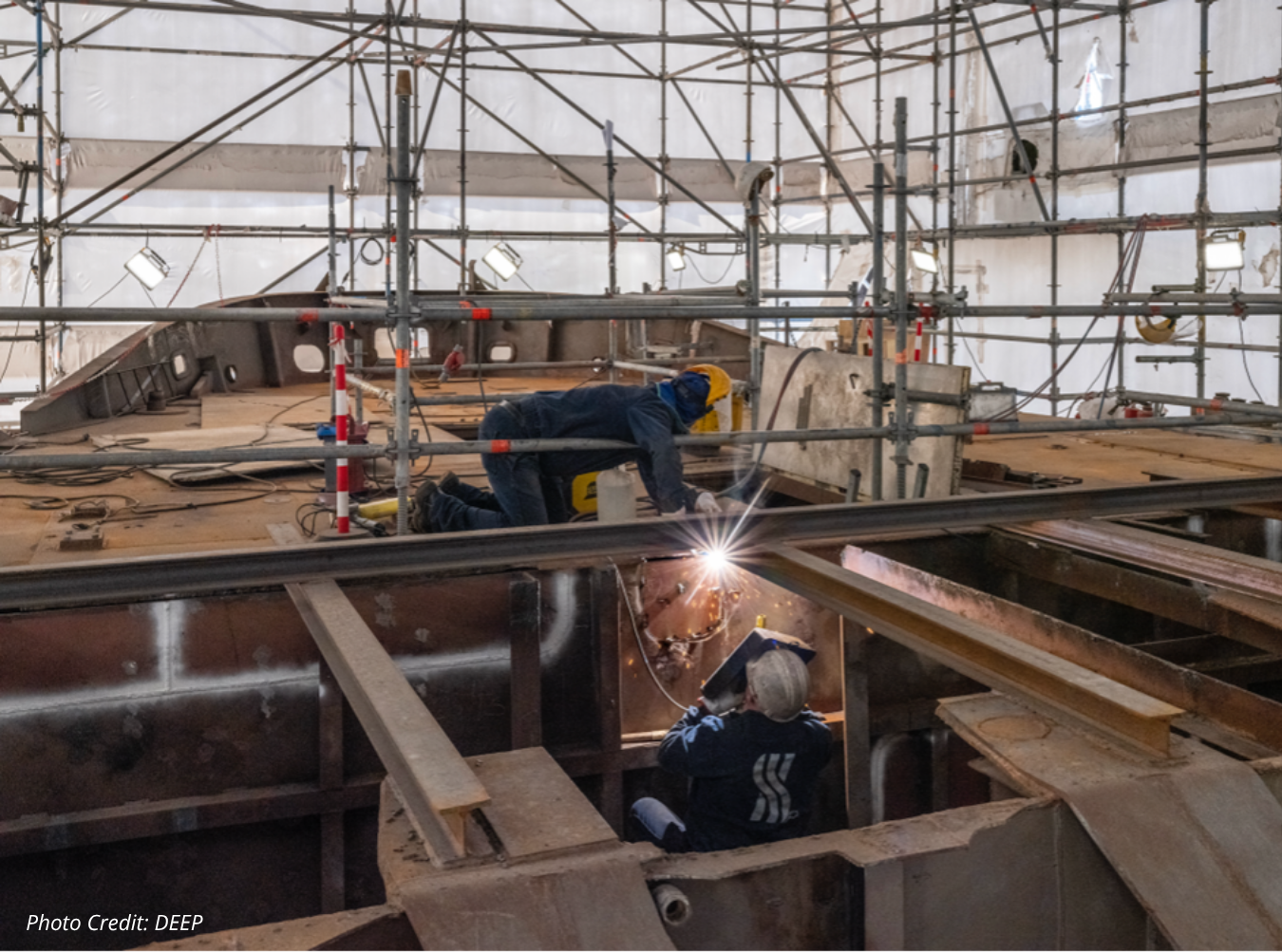
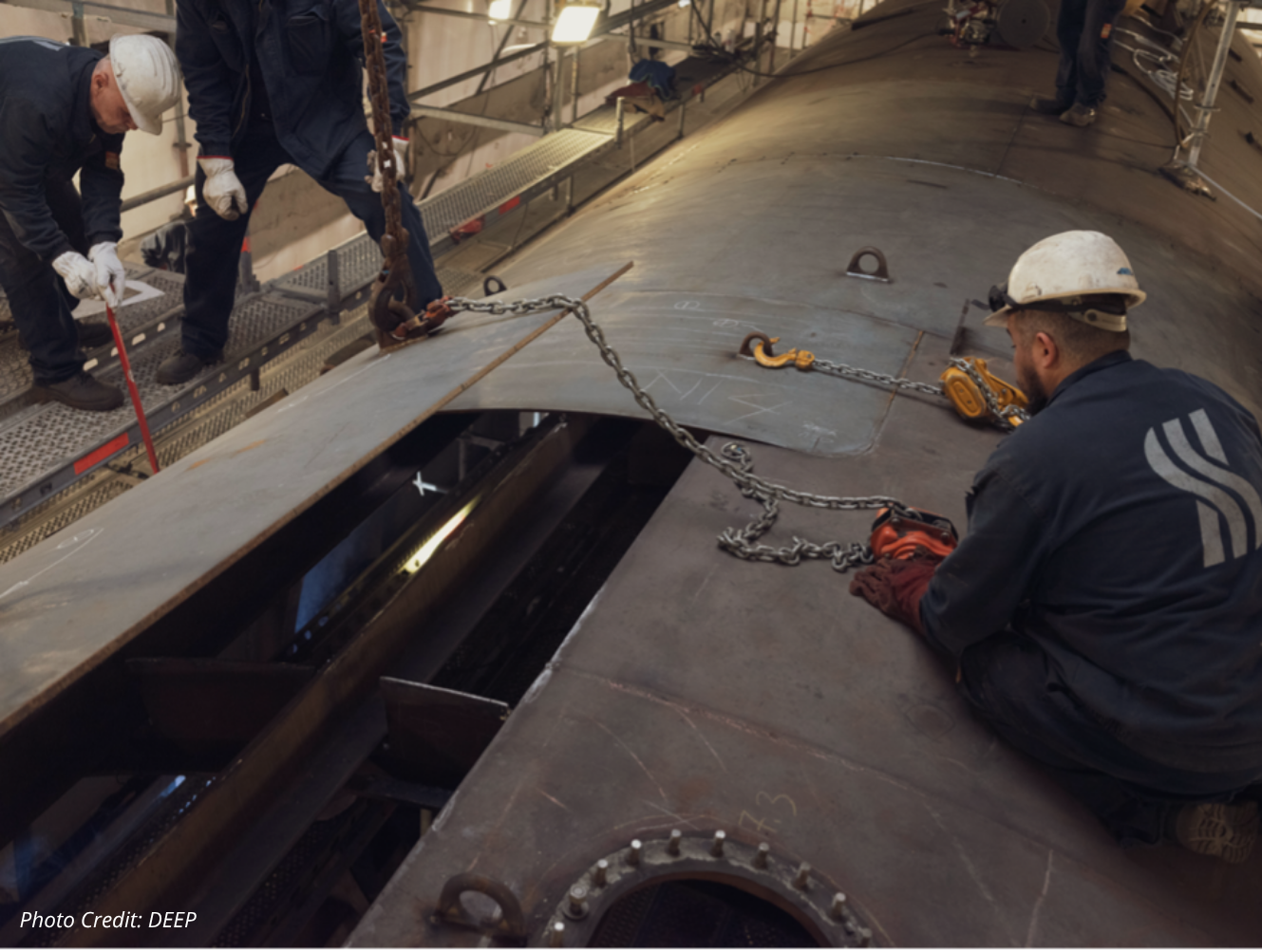
The hull plating is currently being replaced in all corroded or fatigue prone zones, along with the hull rings located at each bulkhead. Bulkhead penetrations, which compartmentalise the vessel, have also been fully re-engineered. The work spans 2025–2026 and includes particularly rigorous non-destructive testing.
In parallel, a major milestone has been achieved regarding the vessel’s stability. The existing ballast, consisting of approximately 180 tonnes of concrete distributed across the lower compartments, has been entirely removed. This step was essential to access structural elements embedded within the concrete.
Finally, an in-depth technical study phase has been launched. This covers both the aft section of the vessel, including tanks, and the forward technical areas, including the engine room and living quarters. This phase includes network definition, equipment listing, and supplier selection. An optimisation phase is scheduled for early 2026, ahead of final equipment validation. In the shorter term, the next major milestone will be the start of construction of the new aluminium superstructures.
Across key technical disciplines, which phases are currently underway and which are coming next?
At present, the core of the work is focused on the steel structure and fabrication, with a central challenge being strict control of the vessel’s weight estimate. Every technical decision is assessed through an optimisation lens, ensuring all systems can be integrated while maintaining the lightest possible structure.
This requires close coordination between engineering, naval architecture, and project management, particularly when balancing structural robustness, system integration, and weight constraints.
Among the next major technical topics is the fabrication of six composite air tanks, designed to operate at 30 bar. These tanks are particularly large and present a significant challenge in terms of design, manufacturing, and onboard integration.
What are the next critical steps in the refit over the coming three months, and what key points are you monitoring most closely?
In the short term, the focus is primarily on optimising onboard systems, while strictly adhering to the vessel’s weight targets. Each system is reviewed and adjusted to ensure performance and reliability without compromising the vessel’s overall balance.
Another key focus is finite element structural analysis. These calculations will enable precise sizing of the future structure, defining final plate thicknesses, reinforcement orientation, and reinforcement types. The results will directly inform the next phases of steel fabrication work.
Since the start of the project, what has impressed you most about this XXL FLIP refit, in terms of complexity, innovation, or coordination?
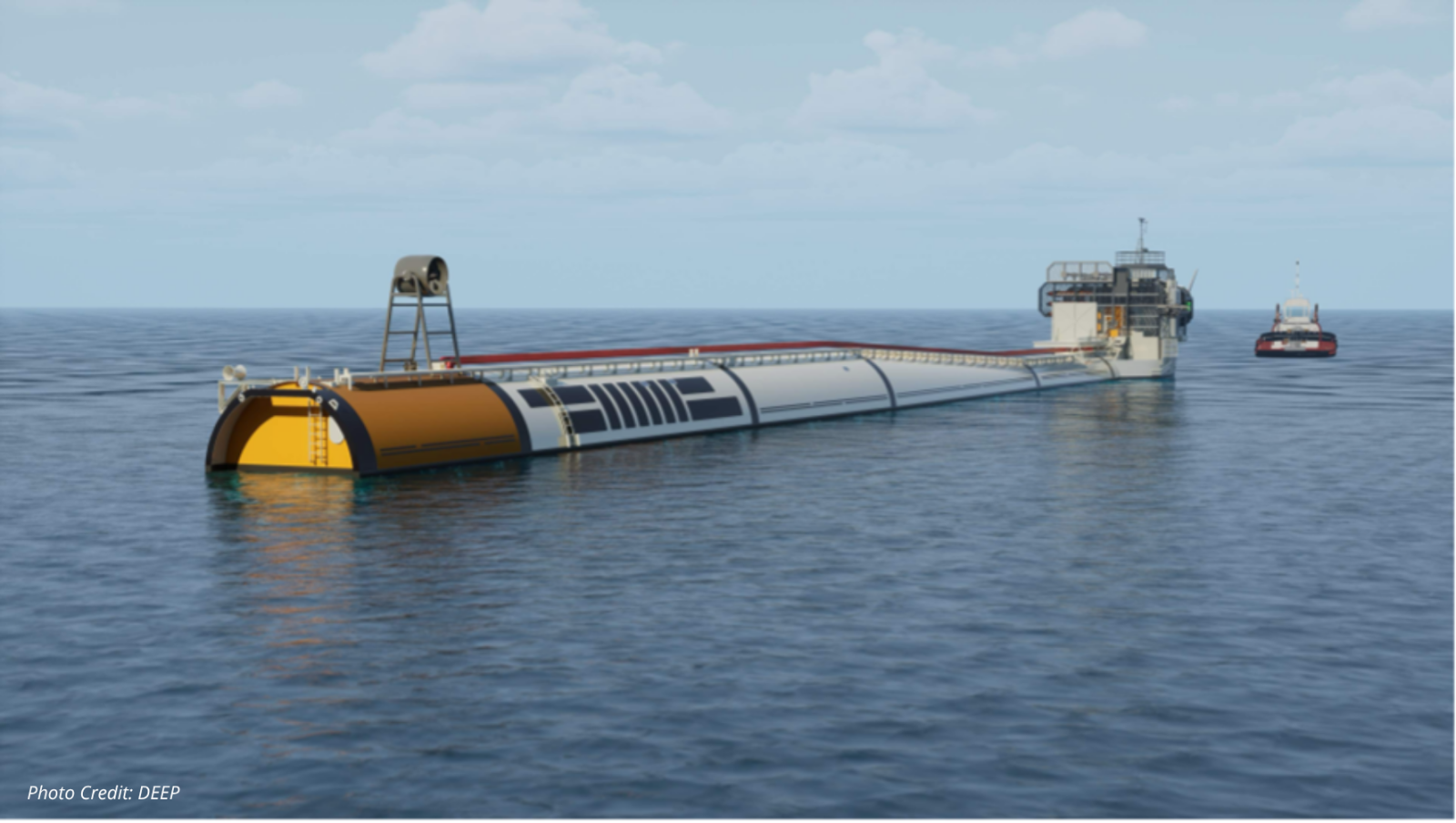
What stands out most is the unique complexity of FLIP. The vessel does not fit into any existing category, it is neither a submarine nor a conventional ship. It is a one-of-a-kind structure, with very few available reference points. The primary challenge lies in integrating modern technologies while maintaining strict control over weight, volume, and system compactness.
Another disorienting aspect is that FLIP does not have a clearly defined bow or stern like a traditional yacht. There are no obvious port or starboard references either. This lack of conventional longitudinal logic can make orientation challenging and forces everyone involved to completely rethink spatial references.
Being able to project oneself in two entirely different configurations, both horizontal and vertical at 90 degrees, is a constant exercise. FLIP literally changes orientation, requiring advanced spatial awareness for both system integration and interior layout. With no real existing benchmark, every decision demands strong architectural projection and constant imagination when moving through the vessel.
Beyond the technical dimension, the project is also a true human adventure. The team is characterised by strong collective momentum, a collaborative mindset, and the ability to work calmly and intelligently, even during the most complex phases. Patience and commitment are key drivers of the project’s success.
A unique project, still undergoing transformation
In the coming months, the FLIP project will enter a particularly structuring phase.
The objective is to complete the repair of the majority of the structure, initiate prefabrication of the superstructures and air tanks, and finalise and validate all technical studies required to move forward with the works.
FLIP remains an exceptional technical and human challenge. More than just a refit project, it is a unique undertaking that pushes the boundaries of traditional naval refit standards, mobilising the expertise, ingenuity, and commitment of all teams involved on a daily basis.
Hello, how can we help you today?
- I want to request a quote
- I want to get in touch with an MB92 Barcelona representative
- I want to get in touch with an MB92 La Ciotat representative
- I want to get in touch with an MB92 Red Sea representative
- I want to know more about MB92 Red Sea
- I want to apply for a job vacancy
- I want to get directions