
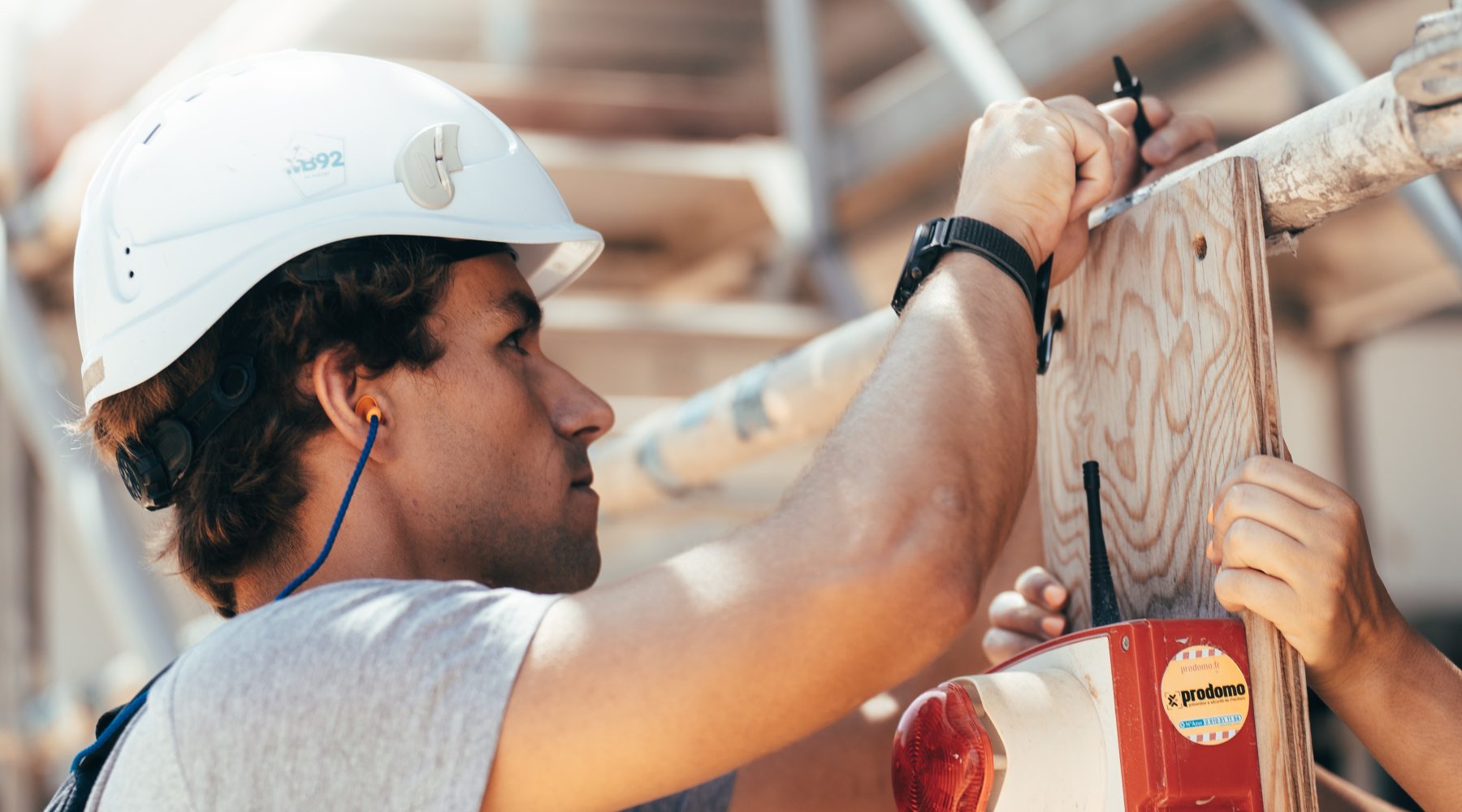
Health, Safety and Environment (HSE) is a critical function in complex industrial environments, ensuring operations are conducted safely, responsibly, and efficiently. In a shipyard, this means protecting people, safeguarding assets, and minimizing environmental impact, while supporting the seamless execution of operations.
The HSE Coordinator plays a central role at the interface between teams, projects, and regulatory frameworks. This involves anticipating risks, implementing preventive measures, and supporting all stakeholders on site, from employees to contractors and crew, in adopting safe and responsible practices.
For Camille Marinello, HSE Coordinator at MB92 La Ciotat, this translates into a daily focus on risk anticipation, close support to operational teams, and maintaining safe and efficient working conditions in a complex, fast-paced environment.
At the heart of operations
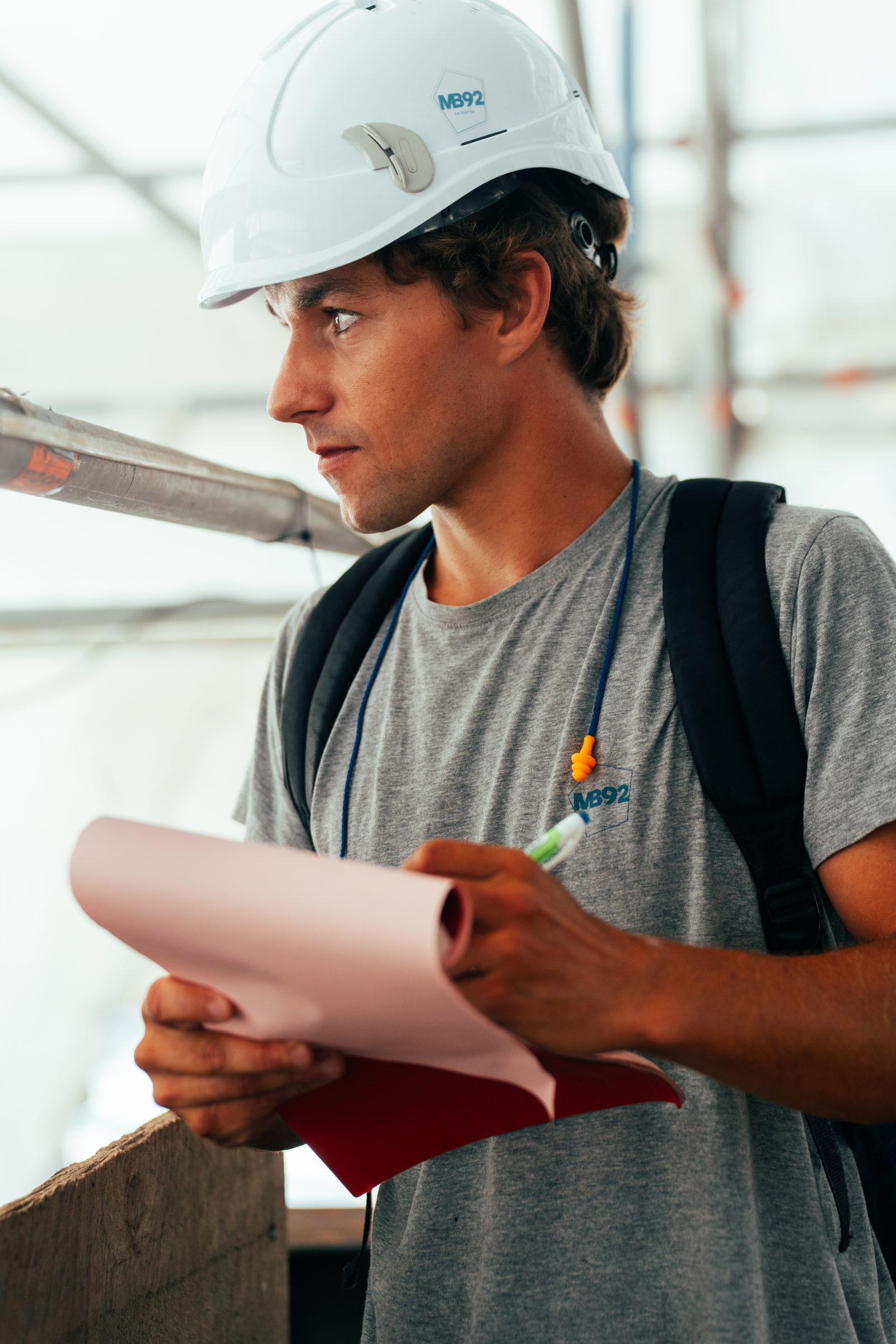
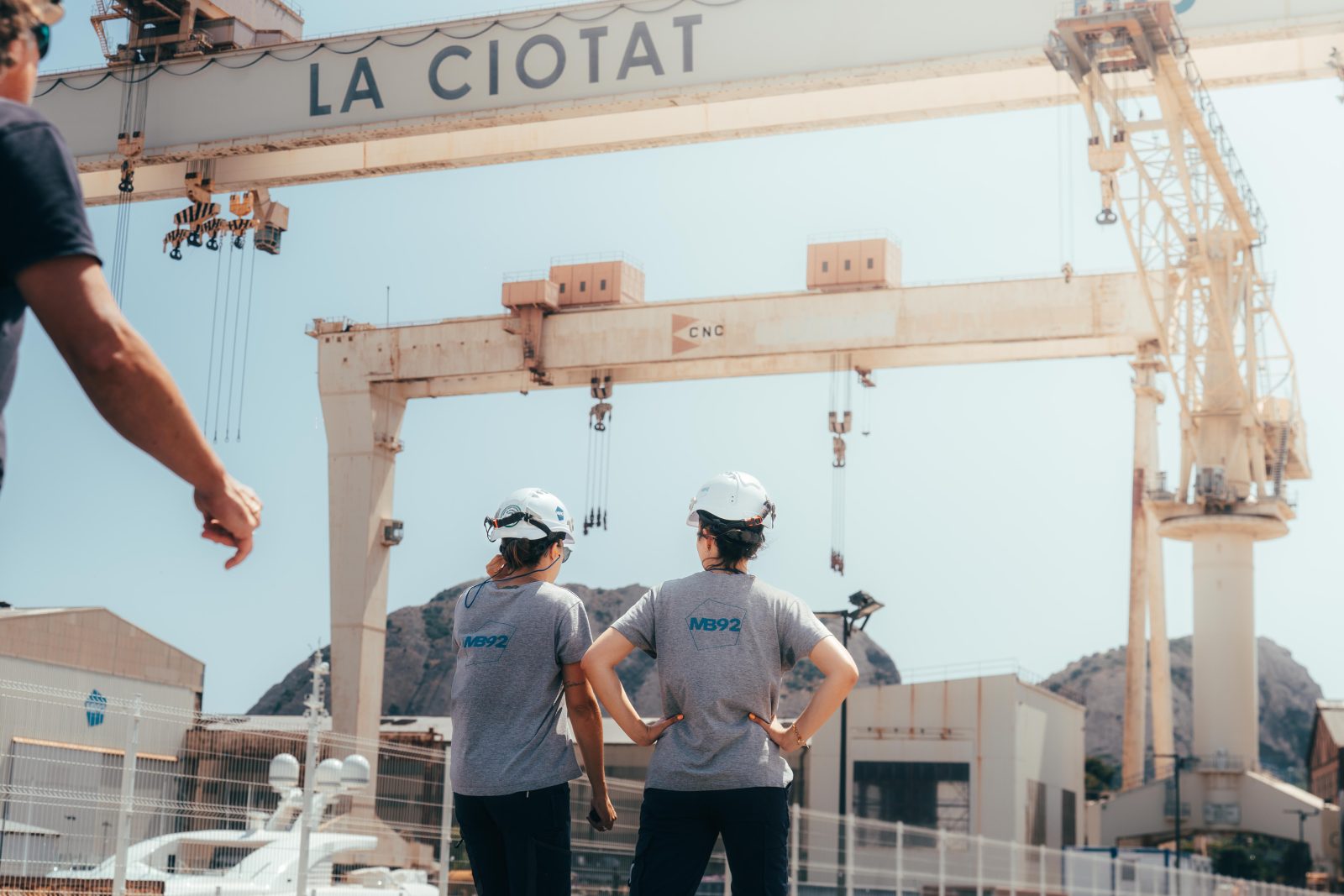
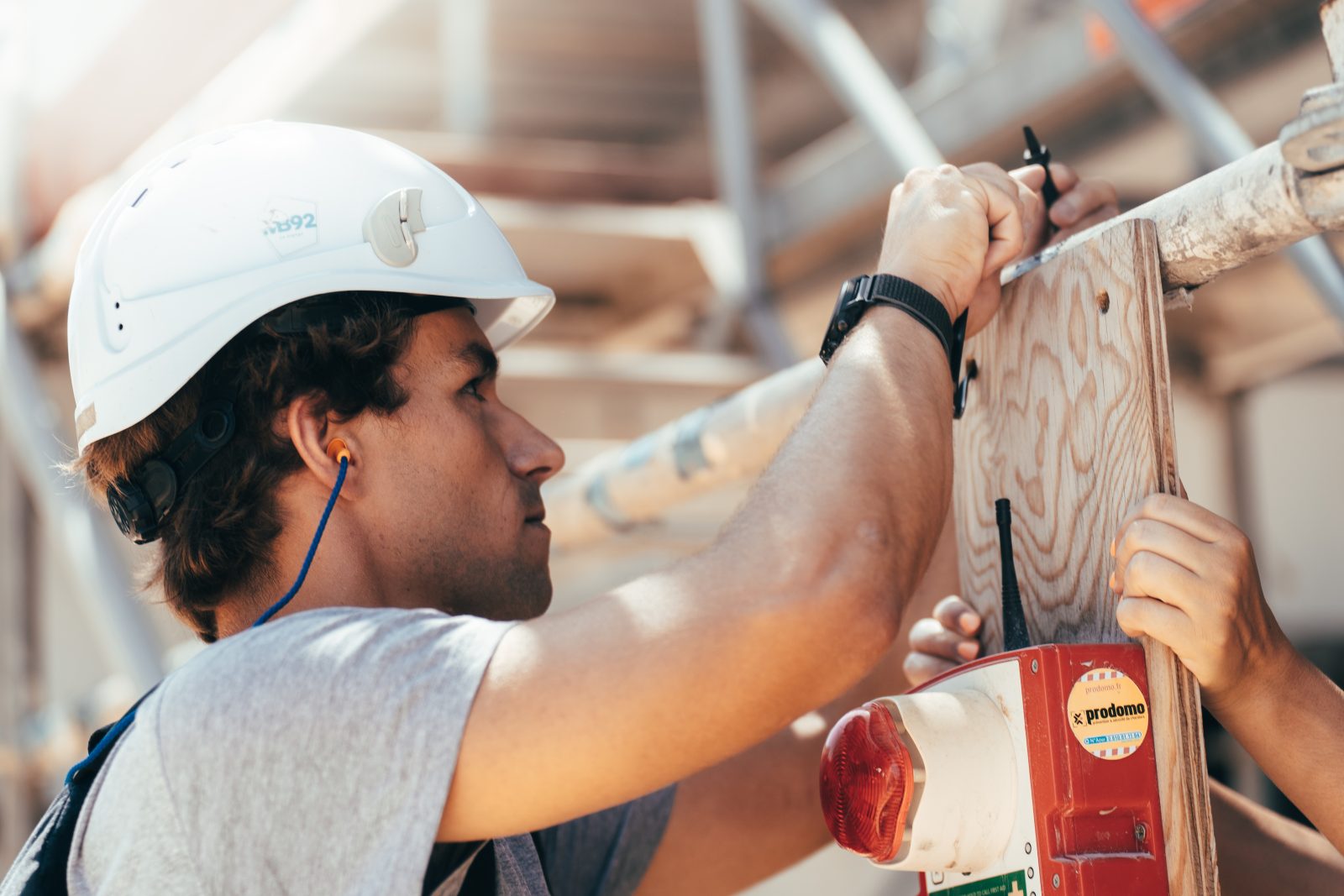
Each member of the HSE team is assigned to several yachts and acts as a safety reference throughout the project. A large part of the day is spent on site, close to operations, focusing on risk assessment, delivering work permits for specific activities, and ensuring that working conditions remain safe at all times.
Working in a shipyard also means managing a high level of co-activity, with multiple disciplines operating simultaneously. This requires constant vigilance, adaptability, and close coordination with all stakeholders.
Beyond field presence, the role involves working closely with institutions and external stakeholders such as the Port Authority, fire services, labour inspection, environmental inspection bodies, CARSAT, and the Regional Directorate for Environment, Planning and Housing (DREAL). This includes ensuring regulatory compliance, supporting audits and inspections, and contributing to the continuous improvement of the HSE standards.
HSE team also contribute to broader initiatives such as improving working conditions, maintaining safety systems, and strengthening our environmental practices. Overall, it is a role that combines immediate action on the ground with a wider, long-term perspective.
Anticipate, prevent, collaborate
Their work revolves around three key pillars: prevention, anticipation, and response.
Prevention is at the core of everything they do, identifying risks and implementing the right measures to reduce or eliminate them. Anticipation means preparing for upcoming phases of the project, especially those involving higher risks or complex interactions between trades. Finally, they must always be ready to respond quickly and efficiently in case of an incident, ensuring the safety of people and the continuity of operations.
The HSE team is connected to all departments. From the preliminary stages of a project, they work with commercial and project management teams to understand the scope and identify critical risks. Once operations begin, communication is continuous, with regular exchanges on site.
Beyond projects, they also collaborate across the company to improve working conditions and address key topics such as fire risk, well-being, the management of chemical risks, and the treatment of VOC emissions released into the atmosphere. It is a highly transversal role, involving both internal teams and external partners.
Managing risk in a complex environment
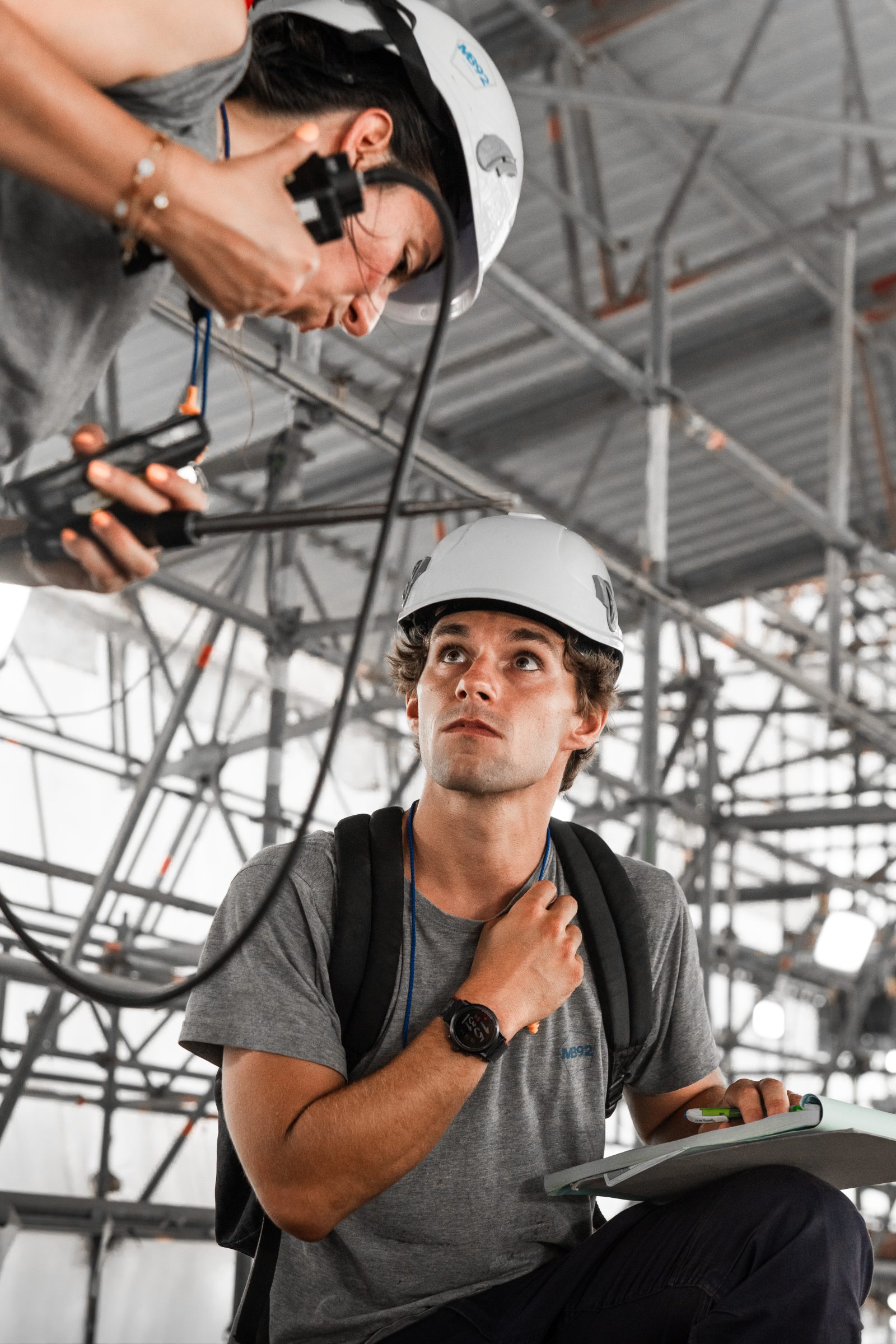
Certain phases require heightened attention, particularly when working at height, during hot work, in confined spaces, or during critical operations such as scaffolding assembly and dismantling. During docking or undocking phases, the HSE referent is also involved in the preparation and validation of diving permits, while the vessel’s officers ensure the isolation of any elements that could pose a risk to divers. These are situations where anticipation, preparation, and strict control measures are essential to ensure safe execution.
The shipyard is a dynamic environment, constantly evolving, which requires continuous adaptation. Another challenge is ensuring a consistent safety culture across all stakeholders, including external contractors, especially during peak activity periods.
More broadly, in the yacht repair and construction sector, fire and explosion risks are widely considered the number one hazard. Addressing this is a key challenge for MB92, with ongoing investments to prevent such risks and the deployment of dedicated response capabilities, including a Second Intervention Team.
On a recent heavy lifting operation involving the removal of propellers and shafts, the HSE team identified that the scaffolding in place was not compliant with the required load capacity. This represented a significant risk for both personnel and equipment.
In coordination with the operators, the scaffolding team, the project team, and the HSE team, the setup was reviewed and modified to meet the operational requirements. This intervention helped prevent a potential incident and ensured the operation could be carried out safely.
Building trust through safety
Their value lies in their presence on the ground, their ability to anticipate, and their responsiveness. By maintaining close contact with operations and encouraging feedback from teams, they continuously improve their approach to safety, while operating in a sensitive environment at the doorstep of the Calanques National Park.
For clients, this translates into confidence. Safety, risk management, and environmental responsibility are increasingly key factors when choosing a shipyard, especially in such a high-value natural setting. A strong HSE culture is therefore a key element of trust and long-term performance.
More than just rules
The diversity of the role. It requires both technical expertise and the ability to coordinate with a wide range of stakeholders. It is a constant balance between fieldwork, regulation, and human interaction.
Beyond simply enforcing rules, their role is to define them, adapt them, and find practical solutions so that work can be carried out safely while ensuring the smooth execution of operations. They also have a strong advisory and expert role, which is often underestimated, as people tend to focus more on rules and constraints than on the expertise and support behind them.
Driving continuous improvement
HSE team sees a continuous rise in safety standards, with more professionalized crews and increasing expectations from clients and insurers. This pushes them to constantly improve and innovate.
At the same time, environmental challenges are becoming more central, driving new approaches and technologies to reduce impact and improve sustainability.
The “E” in HSE is often overlooked, yet environmental protection is a core part of their role. Their objective is not only to comply with regulations, but to actively reduce their impact through concrete actions on site.
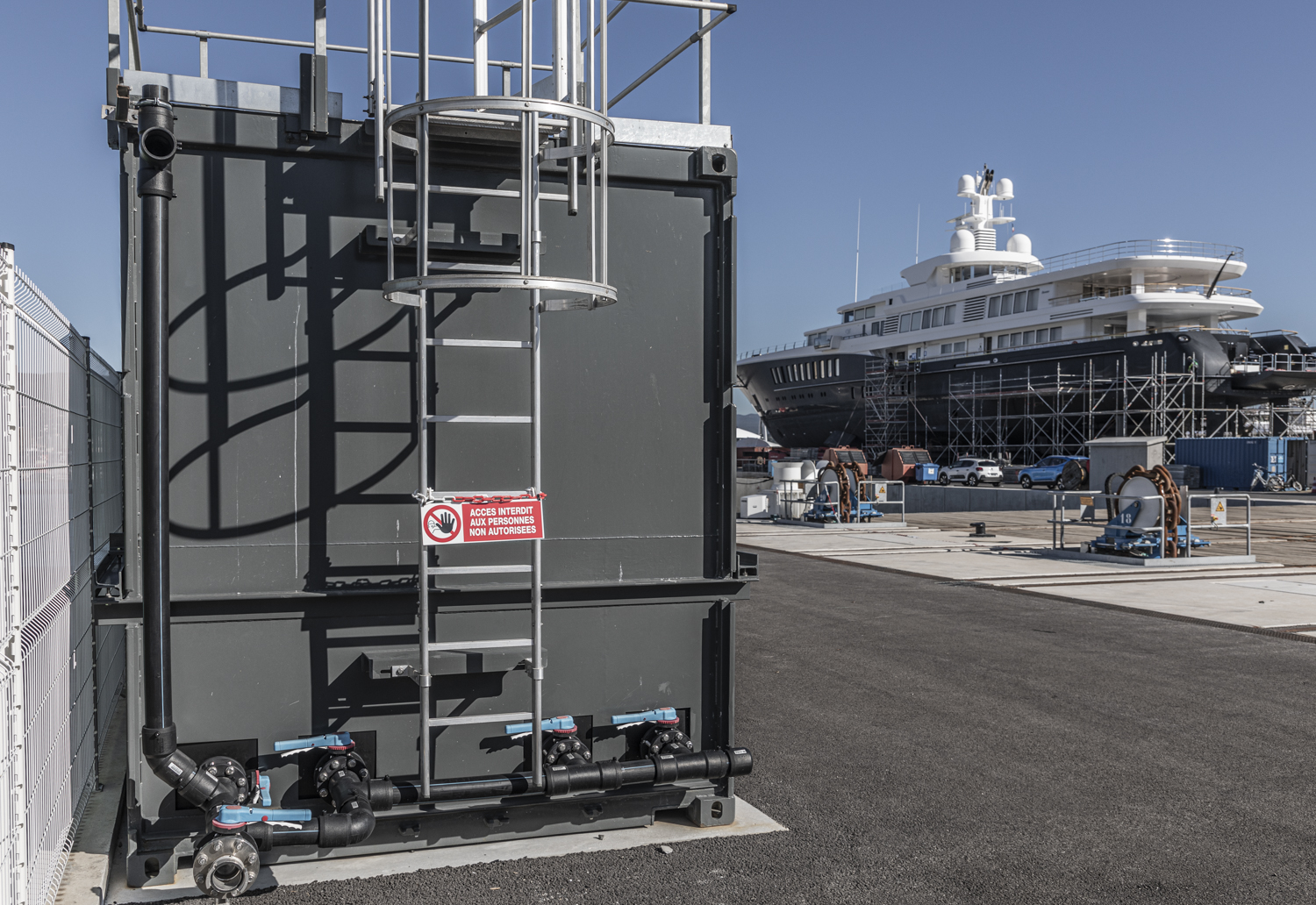
All rainwater from the hardstanding areas is collected and treated on-site before being discharged into the sea, and soon part of it will be reused for yacht careening.
We also produce part of the energy on site through photovoltaic panels, with the ambition to further reduce our carbon footprint.
Waste management is another key focus, with a recovery rate of 97% for hazardous waste, significantly above the national average of 47%. This performance is driven by the daily work of the waste management team and the continuous development of dedicated recycling streams.
Supported by our ISO 14001 certification, these actions are part of a continuous improvement approach, carried out in close collaboration with other departments and aligned with the challenges of operating in a sensitive coastal environment.
Where the people make the difference
What makes the role particularly engaging is its diversity and strong human dimension. No two days are the same, and it involves constant interaction with a wide range of people, trades, and situations. This diversity requires adaptability, open communication, and the ability to connect with different levels of experience and safety awareness.
Pedagogy, reactivity, rigor, and a strong sense of responsibility are essential. It is also important to communicate clearly, adapt to different situations, and build trust with all stakeholders, particularly subcontractors.
The team itself reflects these values, committed, supportive, and highly reactive. There is a strong sense of cohesion, with everyone relying on each other to respond effectively to the challenges they face on a daily basis.
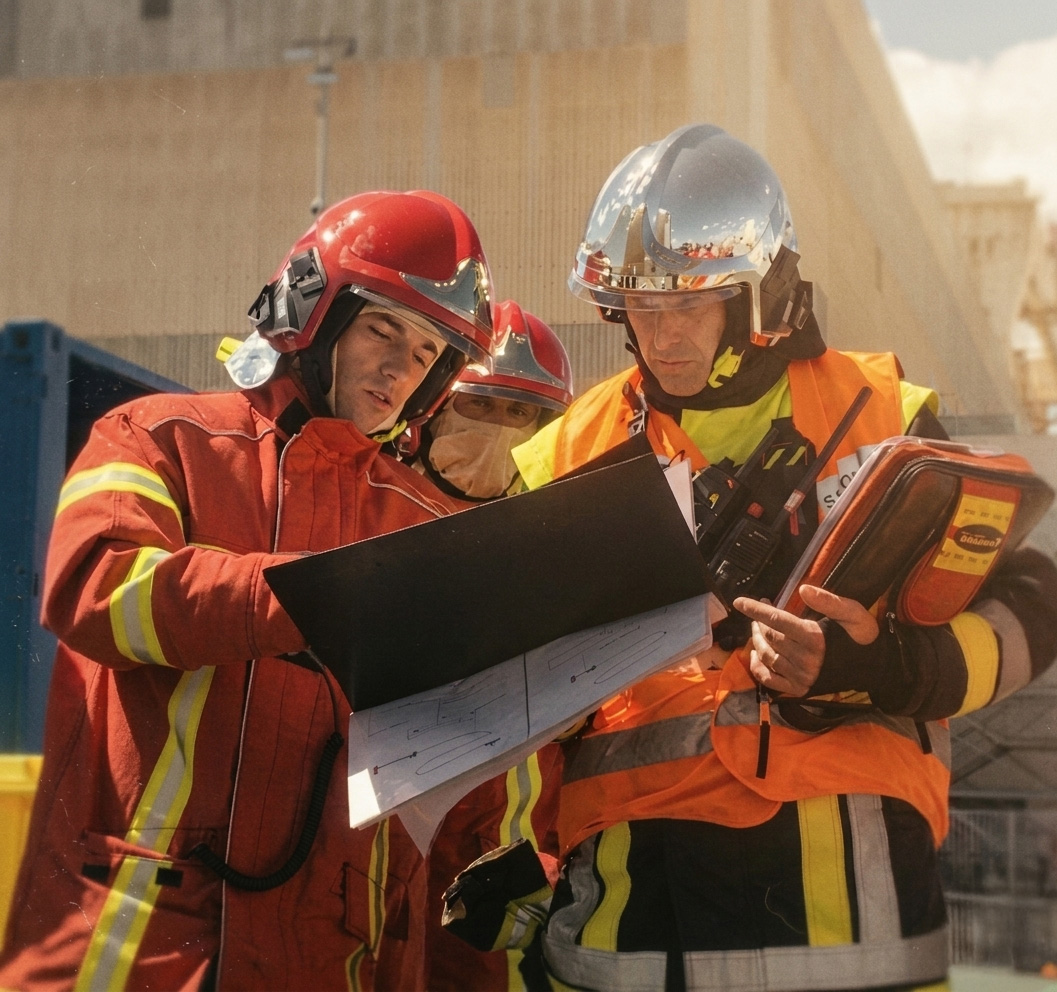
One of the most rewarding experiences has been contributing to the creation of a dedicated Emergency Response Team. Developing this capability from the ground up and seeing it become fully operational was both a challenge and a real source of pride.
Overall, working in such a dynamic and diverse environment makes the role both demanding and deeply engaging, where the human factor is at the heart of everything they do.
Hello, how can we help you today?
- I want to request a quote
- I want to get in touch with an MB92 Barcelona representative
- I want to get in touch with an MB92 La Ciotat representative
- I want to get in touch with an MB92 Red Sea representative
- I want to know more about MB92 Red Sea
- I want to apply for a job vacancy
- I want to get directions